
Best Short Walking Routes for a Misty Morning
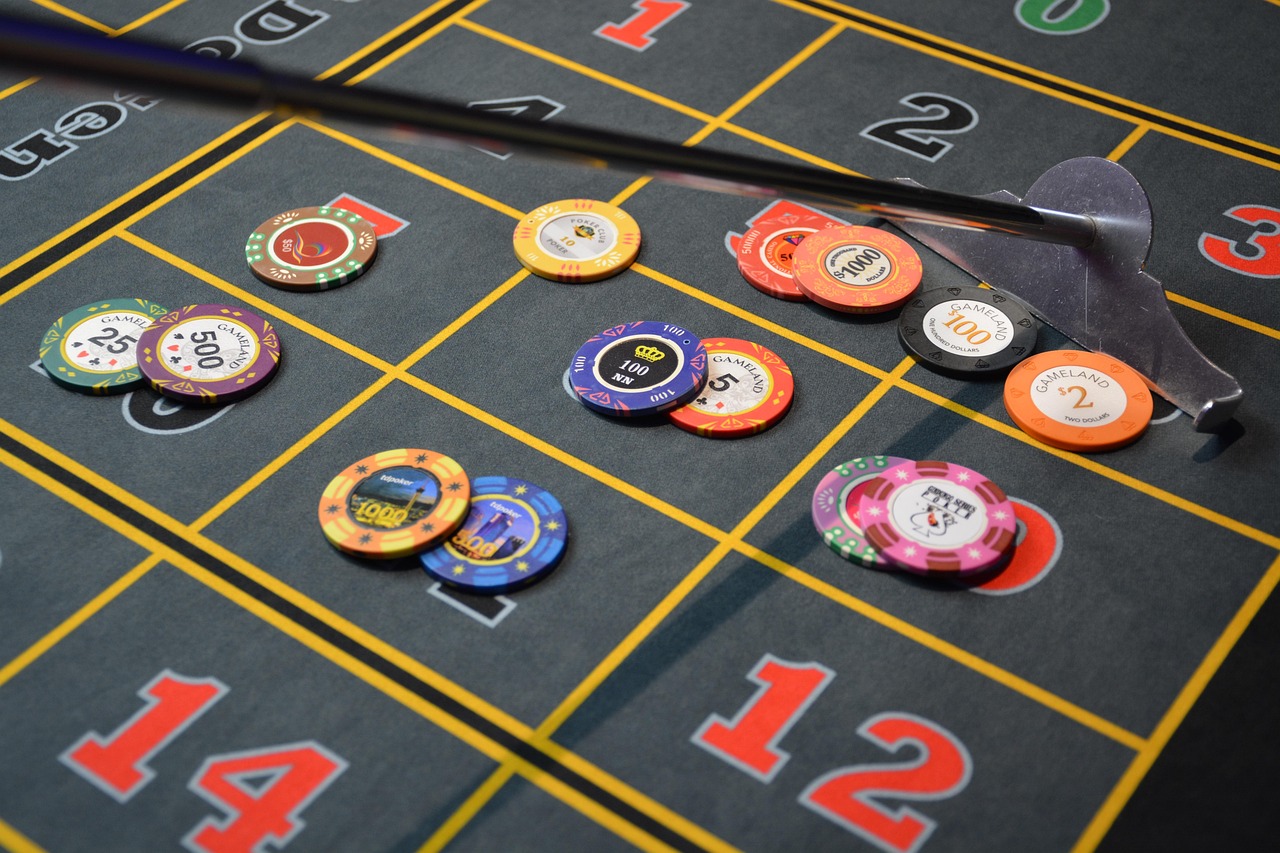
Every casino floor in the world is built on the same quiet promise: the math favors the house. That's not a scam—it's the business model, stated plainly. What most players never stop to ask is how much the house keeps, and where. The answer changes dramatically depending on whether you're spinning slots, sitting at a blackjack table, or grinding a micro-stakes poker tournament. Understanding that difference is the single biggest edge a recreational player can gain.
Why Slots Feel So Addictive (and Why the RTP Matters)
Slots are the cash cow of iGaming, generating somewhere around 60–70% of gross gaming revenue for most online casinos. Walk into any regulated market—New Jersey, the UK, Malta—and slots dominate the lobby. The reason is simple: they're fast, they're cheap to spin, and they're engineered to feel rewarding even when you're slowly losing.
Every slot has a Return to Player percentage, or RTP. A 96% RTP game returns, on average, $96 out of every $100 wagered over millions of spins. The remaining 4% is the house edge, and it's how the operator pays for bonuses, staff, licensing, and profit. The trick is that RTP is calculated over an enormous sample size—your individual session is pure variance.
A few concrete numbers worth remembering:
- 96–97% RTP is common for modern video slots from providers like NetEnt, Play'n GO, and Pragmatic Play.
- 94–95% RTP is what you'll often see on progressive jackpot slots, where part of every wager feeds the prize pool.
- High-volatility slots (think Book of Dead or Money Train) can go 200+ spins without a meaningful win, then drop a 500x bonus.
- Low-volatility slots pay more often but smaller—better for stretching a bankroll over a long session.
The practical takeaway: pick games by volatility matching your bankroll, not by the flashiest graphics. A $20 bankroll on a 10-cent-per-spin, medium-volatility slot lasts far longer than chasing a max-bet jackpot.
Table Games: Where Skill Actually Shifts the Odds
If slots are a math problem you can't solve, table games are a math problem you can partially solve. Blackjack with basic strategy reduces the house edge to roughly 0.5%, compared to 2–6% on a typical slot. Add card counting—legal in most jurisdictions but banned by casinos—and a disciplined player can push the edge slightly negative in their own favor. If this is new to you, az888.br.com is a sensible next read.
Here's how the major table games stack up on house edge:
- Blackjack (basic strategy, 3:2 payout): ~0.5%
- Baccarat (banker bet): ~1.06%
- Craps (pass line, full odds): ~0.5% with odds, ~1.41% without
- European roulette: 2.7%
- American roulette: 5.26% (the double-zero wheel doubles the edge)
Notice that American roulette is nearly twice as bad as European. Same game, different wheel, double the house edge. That single fact costs US-facing online players millions every year, simply because many operators only offer the American variant.
Poker: The Only Game Where You Beat Other Players
Poker is the outlier in the iGaming universe. The house doesn't care whether you win or lose—it takes a rake, a small cut of each pot, typically 2.5–5% capped at $2–$3 in online cash games. That means your win rate depends almost entirely on the skill gap between you and the other players at the table.
In the mid-2000s, a reasonably smart amateur could crush low-stakes online poker. Today, solvers like PioSolver and GTO Wizard have flooded the ecosystem with near-perfect play at even micro-stakes. If you're starting out in 2024, here's the honest advice:
- Stick to micro-stakes ($0.01/$0.02) until you're consistently beating them over 50,000+ hands.
- Play fewer hands than you think—tight aggression still wins.
- Study pot odds and implied odds before you study advanced solvers.
- Track results with tools like Hold'em Manager or PokerTracker; memory lies, data doesn't.
The rake is the silent killer. In low-stakes games, 5% uncapped rake can eat 10+ big blinds per 100 hands, effectively making the game unbeatable for everyone but the very best. That's why many winning players migrate to sites with lower rake structures or to live games where the rake is smaller relative to pot sizes.
Sports Betting: Margin, Not Luck
Sportsbooks don't gamble—they price. When you see odds of -110 on both sides of an NFL spread, the implied probability adds up to about 104.8%. That extra 4.8% is the vig or juice, the bookmaker's built-in margin. Sharper markets like the NFL or NBA main lines run closer to 2–3%, while niche markets (third-division soccer, obscure prop bets) can carry edges of 8–12% or more.
The smartest recreational bettors focus on line shopping across multiple books, exploiting the small differences in odds to reduce the vig they pay. It won't make you rich, but shaving 2% off your effective margin every bet compounds significantly over a season.
Bonuses, Wagering, and the Fine Print That Bites
Welcome bonuses look generous until you read the terms. A "100% up to $500" offer sounds like free money. Then you get to the wagering requirement: 35x the bonus amount, on slots only, within 30 days. That means $17,500 in qualifying wagers before you can withdraw a cent. Given a 96% RTP slot, the expected loss on that volume is around $700—more than the bonus itself.
Bonuses aren't worthless, but they're not free. Think of them as a rebate on volume play, useful if you were going to grind anyway. Skip them if you're a casual player who wants to cash out quickly, since many casinos lock your initial deposit into the wagering requirement too.
The Bottom Line for Anyone Playing Online
iGaming is entertainment with a negative expected value—except for poker and a handful of skill-heavy casino variants where smart play can flip the math. Slots and roulette will grind you down over time, and that's fine if you treat them like a night out. The danger is confusing entertainment with investment.
Know the RTP of what you're playing. Manage your bankroll like it's real money, because it is. Set loss limits before you sit down. And if you ever find yourself chasing losses instead of enjoying the game, step away—no bonus, jackpot, or hot streak is worth the cost of losing control. The house edge is real, but it's not inevitable. Understanding it is the only genuine edge most players will ever have.
LEAVE A COMMENT