
A Beginner's Guide to Dawn Chorus Listening
Why a Real Fire Earns Its Place in the Brochure
There is a particular pleasure in returning from a long, muddy walk with wet trousers and cold hands, peeling off layers in a stone-flagged porch, and sinking into a chair beside a fire that someone else has learned how to lay properly. It is the difference between a cottage that merely has heating and one that has a heart. But "real fire" is a phrase that covers a lot of ground, from a roaring open hearth in a listed farmhouse to a small wood burner tucked into a former dairy. Before you book, it is worth knowing which one you are getting, and whether you will be allowed to use it as you imagine.
Cold, damp evenings out of season are exactly when a cottage earns its keep. So it pays to check a few quiet details in advance, because the disappointment of arriving to a fire you cannot light, or a room arranged so that only one person gets the warmth, is entirely avoidable.
Check the Fuel Rules Before You Pay a Deposit
Large parts of the UK sit inside smoke control areas, which means you cannot simply burn whatever wood you find. In these zones you must use an exempt appliance or an authorised smokeless fuel. Many owners of older properties have installed a Defra-exempt stove precisely so guests can still enjoy a fire, but the rules still matter.
- Ask what fuel is provided and whether the first basket is included in the price. Some owners leave a generous crate of kiln-dried logs; others expect you to buy your own.
- Check the moisture content of any logs supplied. Well-seasoned hardwood should be under 20 per cent moisture, which means it burns hot and clean rather than smoking and smouldering.
- Find out whether the property is in a smoke control area and what you are permitted to burn. If you are unsure, the owner will know.
- Confirm the practical kit is there — kindling, firelighters, matches, a poker, an ash bucket, and a log store that is actually stocked in winter.
Also ask about the less glamorous safety details. A working carbon monoxide alarm, a fire guard if children or dogs are coming, and a chimney that has been swept within the last year are all reasonable things to confirm. A responsible owner will answer these questions cheerfully.
Room Layout Matters More Than You Think
Photographs flatter a fire. A wide-angle shot of a glowing hearth tells you nothing about whether the seating faces it, whether the sofa is two metres away behind a coffee table, or whether the "snug" adjoins a bedroom wall so the whole room is smoky by ten o'clock.
Look for floor plans where they exist, and read reviews for mentions of warmth and layout. A good fireside room has:
- Seating arranged around the fire, not in a television-facing row with the hearth behind you.
- A decent distance from soft furnishings — close enough for warmth, far enough to be safe.
- Space for drying, ideally a boot room, utility, or covered porch with a radiator and a tray for wet walking shoes.
- A separate kitchen or dining space, so cooking smells do not compete with the smell of woodsmoke.
If you are travelling with others, consider who gets the fireside chair. A cottage with two receptions or a generous open-plan layout usually handles a group far better than a single tight sitting room.
Walks, Weather, and Muddy Boots
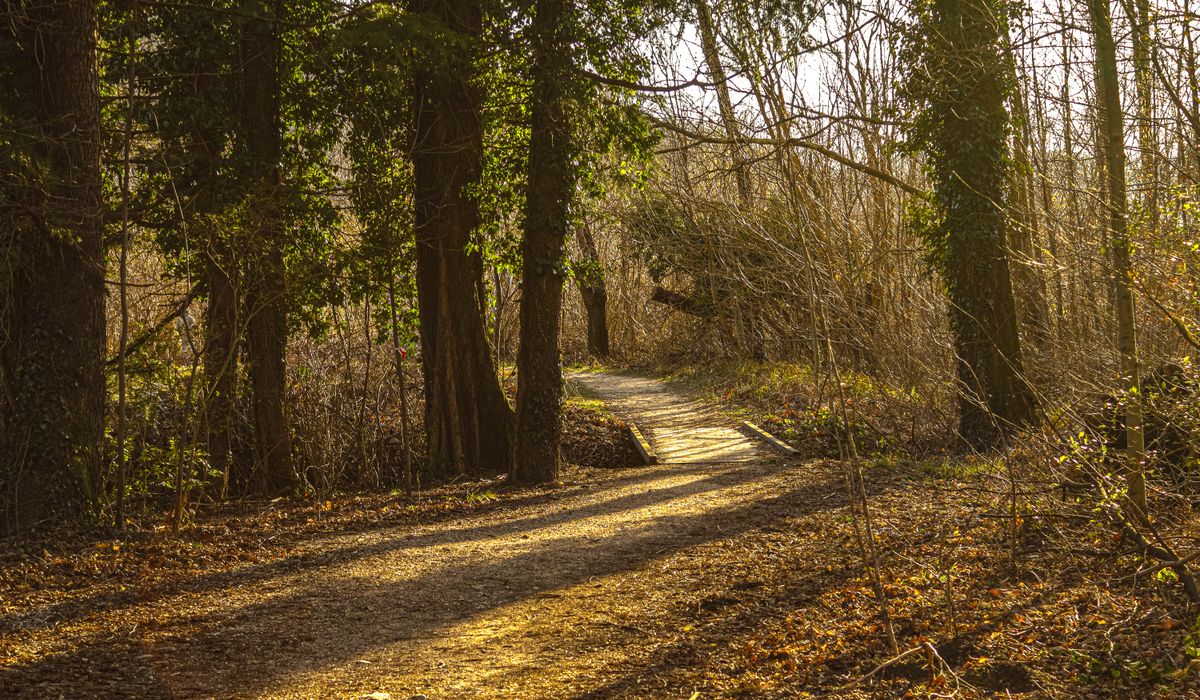
The fire is only half the pleasure. The other half is the walk that earns it, so it is worth mapping the immediate surroundings before you commit. Check whether footpaths leave from the door or whether you will be driving ten minutes down narrow lanes to reach a trailhead. A cottage on the edge of a village with a footpath opposite is worth more, on a wet week, than a remote property with a spectacular view and nowhere to walk safely.
Consider the season carefully. In January, lowland river walks and woodland tracks are far kinder than exposed moorland, and a short circular route of three to five miles suits a winter afternoon better than a twelve-mile haul. Look for:
- At least one walk that starts from the door, so no one has to drive after a long lunch.
- A village pub or café within reasonable walking distance for the days when the weather wins.
- Bridleways and lanes rather than busy roads, particularly if you are walking with children or a dog.
- Local maps or guidebooks left in the cottage, which saves a scramble for phone signal.
Slow Travel, Arriving in Daylight, and Switching Off
Slow travel suits this kind of break. If the cottage is near a railway station with a taxi or a bus link, leave the car at home and let the journey become part of the holiday. Arriving by train on a Friday afternoon in winter means you can be settled, fire lit, kettle on, before darkness falls — which is roughly the whole point.
Think about how you want to spend the days. A cottage with a good stack of books, a jigsaw, a pile of board games, and no rush to be anywhere is a rare and restorative thing. Bring the things that help you slow down: a proper pair of slippers, a thermos, a wool blanket for the garden bench.
What to Ask the Owner Before You Confirm
A short message before booking will save a great deal of disappointment. Ask how the fire works, what fuel is supplied, whether it is a wood burner or an open fire, and whether the chimney has been swept recently. Ask about the first basket of logs, the drying arrangements, and the closest walk from the front gate.
Ask, too, whether the cottage is warm by other means on arrival. A well-run property is heated and aired before guests arrive, so you are not spending the first evening coaxing damp air out of a cold sitting room. Between a clear answer to those questions and a floor plan that puts the sofa where it should be, you will have found the sort of place that makes you want to come back in November.
LEAVE A COMMENT