
Navigating Public Footpaths with Respect and Confidence
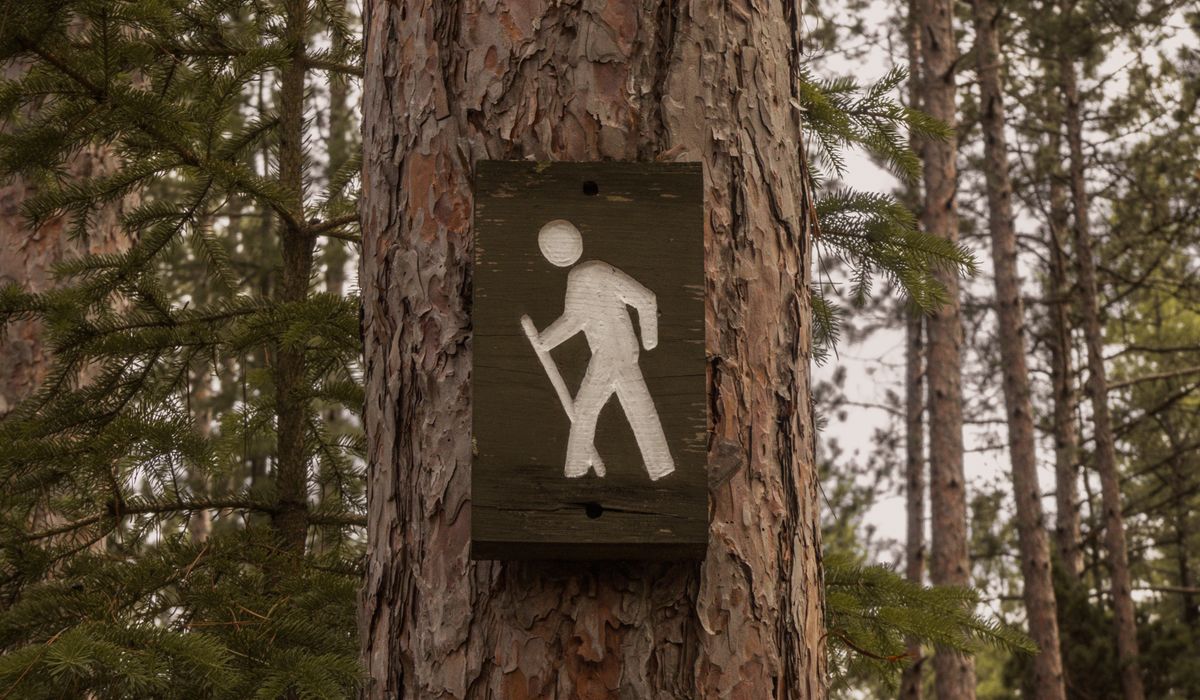
Most of us book a countryside cottage and then spend the fortnight before we go refreshing the forecast, hoping for a run of dry, bright days. It rarely works out that way. In the UK, a week away in the hills or the Dales, the Lakes or the Cotswolds, will usually include at least one proper soaking. The good news, and it is genuinely good news, is that a wet day is often the most memorable day of a slow travel trip. You just have to stop treating it as a setback and start treating it as a different kind of pleasure.
Rain changes what a place offers you. It empties the car parks, softens the views, fills the becks and gives you permission to do far less than you planned. Here is how to make the most of it.
The Countryside Looks Better in the Rain
Dry, sunny weather flattens a landscape. It bleaches the greens, hardens the shadows and shows you everything at once. Wet weather does the opposite. Low cloud sits in the valleys and reveals the hills in layers, one ridge behind another, each one paler than the last. Woodland becomes intensely green, moss glows on drystone walls, and every stream you cross is louder and fuller than it was yesterday.
There is also the smell. That clean, earthy scent after rain has a name, petrichor, and it comes from oils released by plants and soil bacteria. Walking through a dripping beech wood in gentle drizzle is one of the most quietly sensory experiences the British countryside offers, and you will have it almost entirely to yourself.
Empty Paths, Quiet Pubs and Better Wildlife
The single greatest advantage of a wet day is other people. The honeypot spots that were heaving yesterday are suddenly manageable. You can park without circling twice, walk a fell path without stepping aside every few minutes, and get a table by the fire in a village pub without booking.
Wildlife benefits too. Animals are far less bothered by a quiet walker in waterproofs than by a crowd. Deer stay out in the open, herons hold their position on the riverbank, and if you are near a coast or estuary, wet weather often brings waders and wildfowl closer in. Take binoculars. Keep your distance, and move slowly and quietly.
- Walk early. Rain often eases mid-morning, and the light is at its most dramatic then.
- Head for valleys and woodland rather than exposed ridges, which are miserable in wind-driven rain.
- Choose a route with a pub, café or village church roughly halfway, so you always have a dry pause to aim for.
Permission to Slow Right Down
This is where the wellbeing argument gets interesting. A dry day in the countryside comes with pressure. You feel obliged to be out, to cover the miles, to make the most of it. Rain removes that obligation entirely, and for many people that is a genuine relief.
Slow travel is not about doing less because you have to. It is about doing less because it is better for you. A wet afternoon with a log burner, a pot of tea and a book you have been meaning to read for a year is not a wasted afternoon. Listening to rain on a slate roof is one of the oldest and most effective ways to settle a busy nervous system, and you will sleep better for it.
So build the day around rest rather than resistance. Read. Nap. Play cards. Have a long bath. Bake something. Write a postcard. Walk a short loop in the rain and come back damp and pleased with yourself. Then eat well and go to bed early. That is a good day by any measure.
What to Wear and How to Walk Well in the Wet
The difference between a lovely wet walk and a miserable one is almost entirely kit. Get this right and rain stops mattering.
- Waterproof jacket with taped seams and a hood that stays up in wind. Not shower-resistant, properly waterproof.
- Waterproof overtrousers. The most under-rated item in British walking. They cost little and change everything.
- Boots with real grip rather than fashion wellies. Wet limestone, clay and tree roots are genuinely slippery.
- Merino or synthetic layers, never cotton. Cotton soaks and chills you. Wool keeps working when damp.
- Spare socks and a dry bag for phone, keys and map. A flask of something hot is worth its weight.
- Gaiters and poles if you are on boggy ground or steep descents.
Check river levels before you set out, avoid fords and stepping stones after heavy rain, and remember how early it gets dark in autumn and winter. Share your route and expected return time with someone. A paper map and compass still work when a phone screen is wet and fogged.
Drying Out, and Planning a Stay That Welcomes Rain
Wet kit is only a problem if you have nowhere to put it. Hang waterproofs on a proper hanger rather than a hot radiator, which can damage the membrane. Stuff newspaper into damp boots and change it after an hour. A boot room, porch or utility space turns a dripping return into something almost enjoyable.
When you book, look for the things that make wet weather a pleasure rather than a problem: a wood burner, a deep bath, big windows with a view worth watching, a drying rack, a decent kitchen and a shelf of books. Choose a location where a short, low-level walk from the door is possible. Keep one wet-day plan in reserve, and do not over-schedule your stay.
Then let the forecast do what it likes. The misty mornings, the empty paths and the long firelit afternoons are not the consolation prize. For a slower, kinder kind of holiday, they are the whole point.
LEAVE A COMMENT