
Choosing a Cosy Cottage with a Real Fire
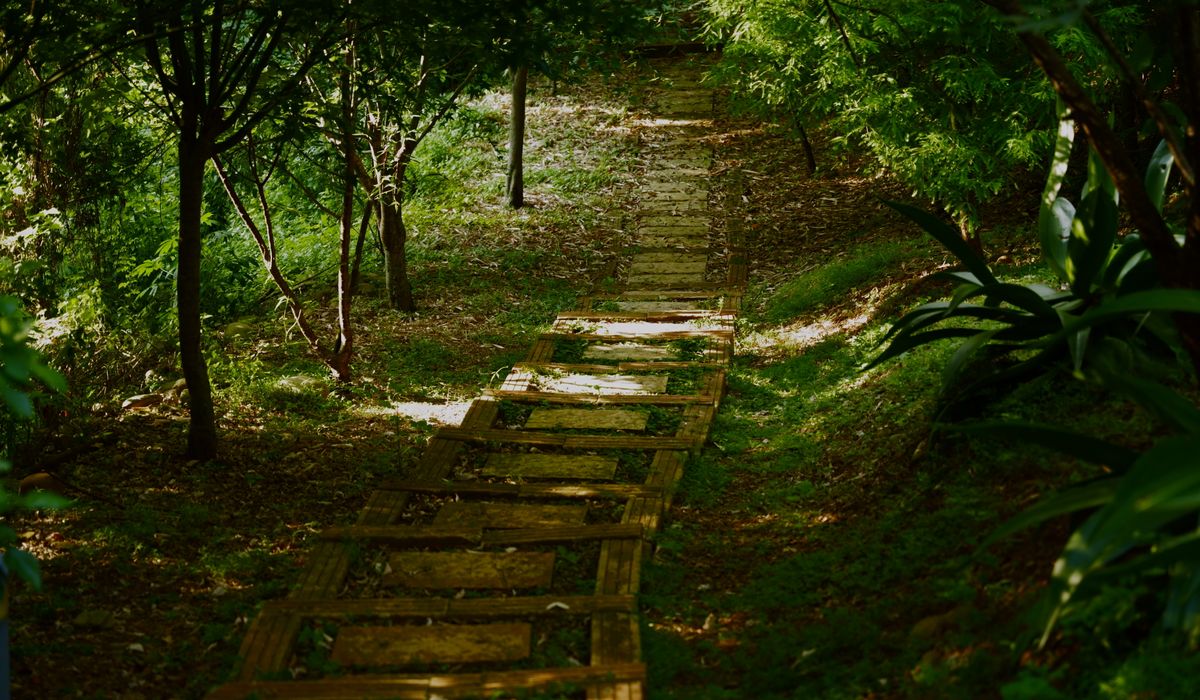
Why Late Summer Is the Hedgerow's Finest Hour
There is a particular quality of light in late August and early September: low, golden, and slightly hazy, catching the dust off a lane that nobody has driven down since morning. It is the moment the hedgerow stops being a green wall and starts being a larder. Brambles droop under the weight of fruit, elderberries turn from red to near-black, and the aromatic herbs of the verge are at their most generous.
Foraging walks are slow travel at its purest. There is no summit to reach and no distance to cover. You walk a few hundred metres of lane, field edge and old drovers' path, and you notice things — which side the sun hits, where the sloes are fattening, how a hedge is layered and thick at the base because someone has cut it properly. This is wellbeing without the jargon: unhurried attention, a basket, and the quiet satisfaction of coming home with something you can actually eat.
Know Your Three: Blackberries, Elderberries and the Herbs Between
Get thoroughly confident with a handful of species rather than vaguely familiar with a hundred. These three will carry you through the whole of late summer.
- Blackberries — ready from mid-August well into October. A ripe berry is dull black, plump and comes away from the core with the gentlest of tugs. If it resists, or still shows red patches, leave it; it will be sweeter in a week. Avoid fruit growing below waist height on popular dog-walking routes, and skip anything within a few metres of a busy road, where spray and exhaust settle.
- Elderberries — the clusters droop downwards when ripe, carrying hundreds of small, dark purple-black berries on a plant with paired, serrated leaves. They are mildly toxic raw and should always be cooked. Strip the berries from the stems with a fork and discard every scrap of green stalk. Be careful: a bush with red stems and single berries is not elder — leave it alone.
- Wild herbs — the quieter, more rewarding part of the walk. Once you can identify three or four confidently, a verge becomes a pharmacy and a kitchen garden at once.
Pick Fairly: The Rules That Keep Hedgerows Healthy
In England and Wales, picking fruit, foliage, flowers and fungi from wild plants for personal use is generally permitted — the Theft Act 1968 treats it as lawful unless you are doing it for commercial gain. Uprooting any wild plant, however, requires the landowner's permission. Scotland works on similar principles under common law. Beyond the letter of the law, a few habits keep both the hedge and your conscience in good order.
- Ask permission on private land, and never assume that open access means a right to harvest. The right to roam is not the right to take.
- Many nature reserves, Sites of Special Scientific Interest and managed estates prohibit picking altogether. Read the sign at the gate rather than assuming.
- Take no more than a third of what you find on any one bush, and leave the outer edges of a stand untouched — that is where birds, insects and small mammals feed first.
- Never uproot anything. Cut herbs with scissors or pinch cleanly above a leaf node so the plant regrows.
- Close gates, keep to the path where the ground is fragile, and take your litter — and anyone else's — home with you.
Wild Herbs Worth a Slow Look
Late summer is when herbs are at their most aromatic, and you will often smell them before you see them. Wild marjoram grows on chalk downland and dry banks, with small pink-white flower clusters and a scent of oregano. Yarrow appears on verges and rough grass with flat, creamy umbels and finely feathered leaves. Wild mint prefers damp ground near streams and ditches, and is unmistakable once bruised between your fingers. Nettle seeds, stripped from the drooping green tassels in late summer, are a fine and much-overlooked crop.
A word of caution. Damp ground with white umbel flowers and hollow stems is exactly where hemlock water dropwort grows — the most poisonous plant in Britain. If you are not completely certain of an identification, leave it out. There is always next year, and there is no dish worth the risk.
Walk Slowly, Gather Gently: A Practical Rhythm
Set out mid-morning, once the dew has dried but before the heat flattens the scent. Go with a shallow basket or cotton bag rather than plastic, which sweats and bruises soft fruit, and take secateurs, a few paper bags for herbs, and a small notebook to record what was ripe and where. Wear long trousers tucked into socks, and check yourself for ticks when you get home.
Walk for twenty minutes before you pick anything at all. Learn the shape of the place, notice which bushes are busy with birds, and let the pace slow down properly. Then gather, a little at a time, moving on rather than stripping a single patch. The foraging is the excuse; the unhurried hour in the hedgerow is the point.
From Basket to Kitchen: Simple Ways to Use Your Finds
Keep it simple and the flavours do the work. Blackberries and early apples make a crumble that needs nothing but a little sugar and a hot oven. Elderberries simmered with sugar and a squeeze of lemon become a deep, warming cordial for the winter months ahead. Wild marjoram stirred into olive oil and left on a windowsill for a fortnight gives you a herb oil for tomatoes and roast vegetables, and a handful of yarrow makes a mellow, faintly bitter tea for the end of the day.
Freeze what you cannot use straight away, label everything with the date and place, and you will find that a single September walk keeps giving right through to February. That is the quiet bargain of the late summer hedgerow: an hour of slow walking, a basket of small findings, and the taste of a season stored up in jars.
LEAVE A COMMENT