
How to Travel Slowly by Train to Rural Villages
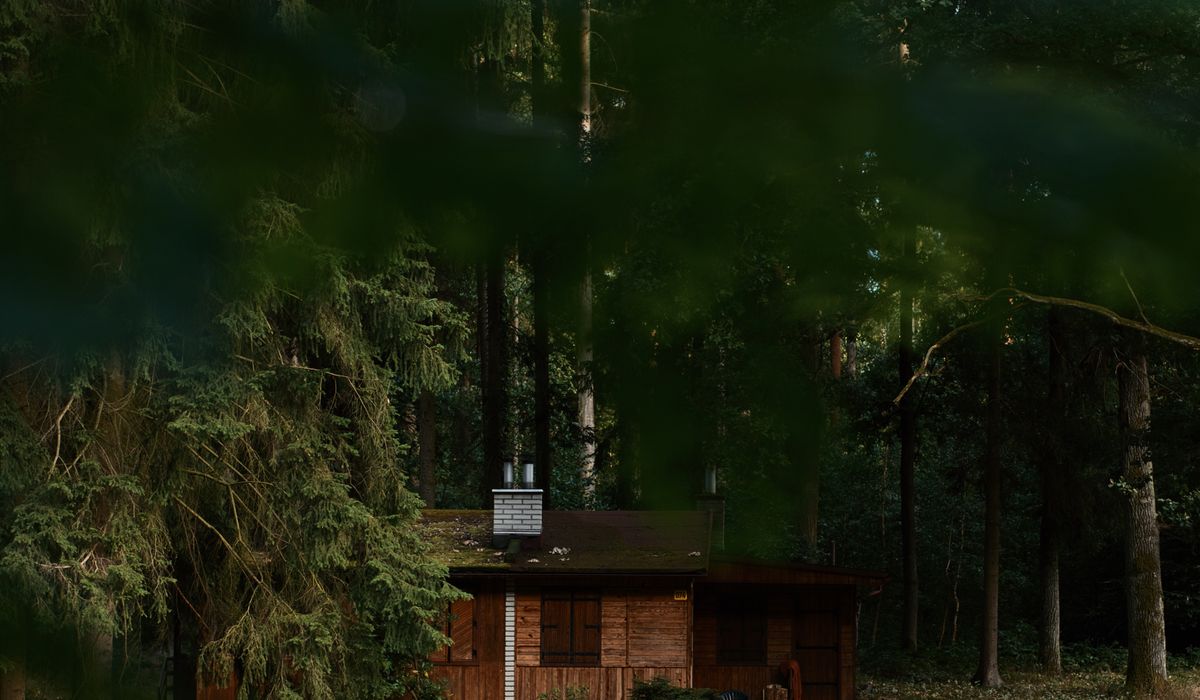
What Forest Bathing Actually Is
Forest bathing — shinrin-yoku, as it is known in Japan, where the practice took shape in the 1980s — is not a hike, a ramble or a workout. There is no summit, no distance target and no pace to keep up. The whole idea is to be among trees with nowhere to be, letting your attention settle on what is actually around you rather than on the list you left on the kitchen table.
A proper session can be remarkably short in distance. Half a mile across two hours is a good day. The slowness is not a gimmick; it is the mechanism. When you slow to a pace that feels almost ridiculous, your breathing lengthens, your shoulders drop, and the part of your mind that is always scanning ahead finally lets go. Research has linked time under a forest canopy with lower levels of cortisol, the stress hormone, and with improved mood and concentration. Anyone who has walked a wood in autumn knows that whatever the science says, something happens.
Why Ancient Woodland Feels Different
In the UK, ancient woodland means land that has been continuously wooded since at least 1600 — though many sites are far older. These woods are not simply older versions of a plantation. They are more complex, and you can feel it. Instead of a single species standing in neat rows, there are layers: tall canopy trees, a scrubby understorey, a shrub layer, ground flora and, crucially, deadwood — standing and fallen — which feeds more life than anything else in the wood.
Look for the indicator species that tell you you are on ancient ground: bluebells in late spring, wood anemone, dog's mercury, wild garlic in green carpets that smell of the kitchen. Old oaks with wide crowns, small-leaved lime, wild service tree. The soil itself is often centuries of undisturbed leaf litter, soft and springy underfoot, and the air in a wood like this tends to be noticeably cooler and moister than the field you crossed to reach it.
Your First Hour in the Woods
Arrive and stop. Before you walk anywhere, stand still for five minutes and let the place come to you. Turn your phone to silent — not vibrate, silent — and put it in a pocket you cannot easily reach. Breathe out for longer than you breathe in; a count of four in and six out is plenty. You will feel your body shift gears.
Then walk, slowly, and let your senses take turns leading. A route like this works well:
- Sound: count five distinct sounds, from wind in the canopy down to a single leaf landing.
- Sight: soften your gaze and let the edges of things blur. Look up at the canopy for a full minute — the view most of us forget to take.
- Touch: press a palm against bark, run your fingers over moss, pick up one fallen leaf and study its veins.
- Scent: crush a few pine needles, or stand in a patch of wild garlic, and breathe in properly rather than sniffing politely.
- Stillness: find a log or a dry bank and sit for fifteen minutes without doing anything at all.
That last item is the hardest and the most valuable. Sitting still is what turns a pleasant walk into a genuine rest. Birds and deer forget you are there, and the wood carries on around you as though you had become part of it.
Rain, Frost and the Quiet Season
Do not wait for a perfect day. Wet woods are arguably better: rain releases geosmin, the compound behind that rich, earthy smell of damp earth, and drumming on a canopy is one of the most soothing sounds there is. Go anyway, with a proper waterproof, boots you trust and a flask, and you will often have the whole wood to yourself.
Winter is underrated too. With the leaves down you can finally see the architecture of the place — the shape of each tree, the hollows, the old boundary banks and ditches. Moss and lichen are at their greenest in the damp months, and frost on a beech wood at first light is worth the early alarm.
To make it a habit, aim small. Twenty minutes in your nearest copse each week will do more for you than one long expedition every few months. Go to the same wood through the year and you will start to notice the changes: which tree comes into leaf first, where the first bluebells appear, which corner stays wet. That relationship, built over seasons, is where the real benefit sits.
Treading Lightly
These places are fragile and they are not ours alone. Stay on paths where ground flora is sensitive, especially in spring when new growth is pushing through. Take nothing — no picked flowers, no fallen antlers, no pretty stones. Leave no trace beyond a footprint. Keep dogs close between March and August, when ground-nesting birds are vulnerable, and give deer plenty of room, particularly at dawn and dusk.
And keep the headphones in your bag. The whole point of a quiet countryside retreat is the quiet. Let the wood do the talking, and you will come back to your desk, your inbox and your busy mind with something that feels suspiciously like calm.
LEAVE A COMMENT