
Creating a Wildlife-Friendly Corner in a Small Garden
The Case for Sitting Still
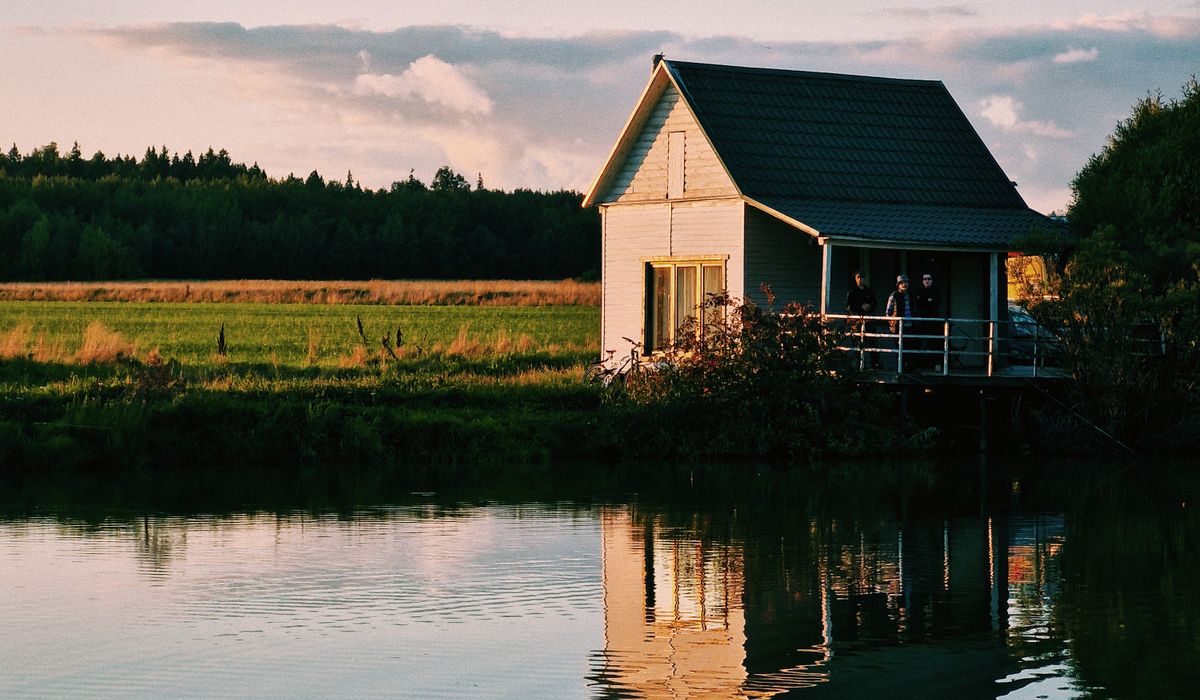
Most wildlife encounters happen when you stop moving. A hide gives you permission to do exactly that: to settle in, let your breathing slow, and let the countryside forget you are there. The first twenty minutes are usually the quietest — animals that scattered at your approach will drift back once they are satisfied the coast is clear. Give it an hour, and you will often see more than you would in a whole morning of walking.
Hides come in every shape. There are formal timber structures on nature reserves, with shutters and a bench and a visitor book. There are simple screens of woven willow beside a woodland pool. And there is the improvised kind: a gap in a hedge, a fallen trunk, a dry-stone wall with a gap in it. All that matters is that you are concealed, comfortable and downwind of whatever you hope to see.
Choosing Your Spot and Timing It Right
Aim to be in position 45 minutes before sunrise. That sounds brutal in June, when first light arrives before four, but it is the golden window. The dawn chorus peaks in the half hour before and after sunrise from late March through to early June, and mammals are still finishing their night's business. Dusk is almost as good, especially for bats, owls, otters and badgers, though you will need to leave before the light goes completely.
Wind direction matters more than most people realise. Mammals and most birds rely on scent as much as sight. If the breeze is carrying your smell towards the water, you may as well be ringing a bell. Sit with the wind on your cheek or the back of your neck, never straight into your face.
What to Expect, Season by Season
The British year offers a genuinely different cast of characters every few months.
- Spring: Listen for the full dawn chorus — blackbird, song thrush, robin, wren, chiffchaff, then the later risers such as blackcap and garden warbler. Watch for roe deer moving through field edges, brown hares boxing in the open, and the first orange-tip and brimstone butterflies on warm afternoons.
- Summer: Early mornings bring kingfishers on quiet rivers, herons and little egrets stalking the shallows, and hobbies hunting dragonflies over heathland. At dusk, nightjars churr from pine edges and pipistrelle bats flick along hedgerows.
- Autumn: A time of movement. Starling murmurations build over reedbeds, red deer bellow on Exmoor and in the Scottish Highlands, and winter thrushes — redwing and fieldfare — arrive from Scandinavia. Migrant waders such as curlew and lapwing gather on estuaries.
- Winter: The easiest season for watching, because bare trees and hungry birds make wildlife visible. Wildfowl — wigeon, teal, pintail, goldeneye — crowd onto lakes, barn owls hunt in daylight when food is short, and woodcock shelter in damp woodland.
Reading the Signs: Watching Without Disturbing
The best hide users are the least noticeable ones. Stay behind the screen, keep your voice to a murmur, and resist the urge to step outside for a better angle. If an animal stops feeding and stares in your direction, head up and rigid, you have been noticed. Freeze. If it stamps a foot, alarm-calls, or moves away, let it go — do not follow.
Some practical rules worth holding to:
- Never use playback to draw birds in. It costs them energy and can pull them away from nests or chicks.
- No flash photography, especially at dusk. It disorients nocturnal animals and can separate a mother from her young.
- Leave dogs at home, even the well-behaved ones. Scent alone is enough to clear a pool for an hour.
- Give nesting birds a wide berth. In Britain, several species are protected from disturbance at the nest by law, and a single careless approach can cause a failed brood.
- Keep sightings of sensitive species to yourself — rare raptors, dormice, breeding waders. Share the memory, not the grid reference.
Kit, Comfort and the Small Details
You do not need much, but you do need the right few things. A pair of 8x42 binoculars suits most British conditions: bright enough for dusk, light enough to hold steady. A compact scope helps on open water and estuaries, where the birds are often a long way off. Take a cushion — cold benches defeat the best intentions — and a flask, because a hide is a cold place to sit still.
Wear dull greens, browns and greys, avoid rustling waterproofs if you can, and muffle zips and velcro with a hand before opening them. A small red-light torch is far kinder to night vision than a white one. And bring a notebook: noting the date, weather, wind and first arrivals is how you learn your local patch properly, season by season.
Above all, treat the hide as a place to slow down rather than a place to tick things off. The reward of quiet countryside watching is not the list. It is the moment a water rail slips out of the reeds, twenty feet away, entirely unaware of you — and the long, unhurried silence that follows.
LEAVE A COMMENT