
Best Short Walking Routes for a Misty Morning
Why a Slow Weekend in the Country Beats a Packed One
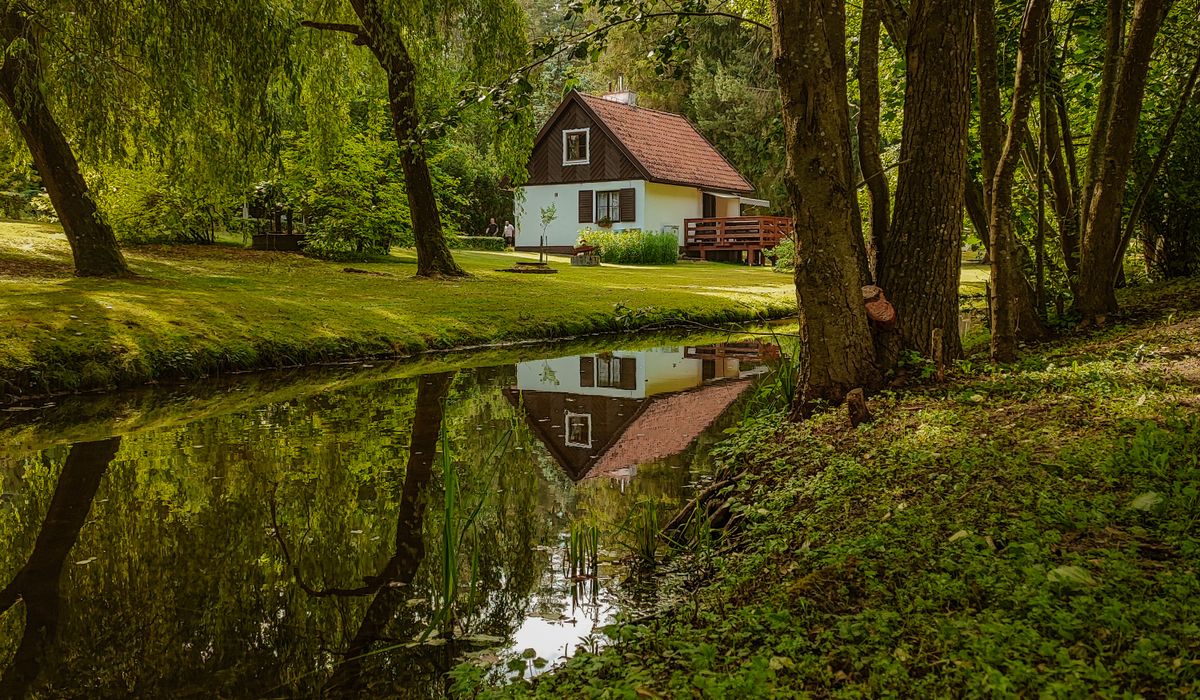
Most weekends away fail for the same reason: we try to see everything. A quiet countryside weekend works differently. The aim isn't to tick off a list but to downshift — to sleep well, walk a bit, eat properly, and let your shoulders drop. Two nights in a small cottage with a decent log burner and a footpath from the door will do more for you than a fortnight of rushing about. The trick is planning it deliberately, because quiet doesn't happen by accident.
Choose a Small Village Base, Not a Honeypot Town
Start with the map, not the website. Look for a village with a church, a shop and a pub — the three things that make a place feel lived in — then check the distances before you book.
- Check the essentials. A village shop within walking distance is a luxury; a pub open Wednesday to Sunday is realistic. Rural opening hours are short and seasonal, so check before you commit.
- Think about the last mile. Single-track lanes, high hedges, no streetlights and passing places are charming by day and unnerving after dark in November. Arrive before dusk if you can.
- Look for a footpath from the door. The best cottage is one where you can pull on your boots and be on a bridleway in three minutes without getting in the car.
- Prefer the edge of the village to the middle. You get the sounds of the countryside rather than a neighbour's extractor fan — and usually a better view from the kitchen window.
If you can, book somewhere with off-street parking and a porch or boot room. Welly storage matters more than you think in February.
Pack for Four Seasons in One Day
British weather in the countryside is its own planning problem. The rule is layers, spares and nothing that can't get muddy.
- Waterproof jacket and overtrousers — not shower-resistant, actually waterproof. Overtrousers weigh nothing and turn a wet walk into a pleasant one.
- Two pairs of boots or wellies, plus thick socks. Wet boots on day two ruin the mood faster than rain does.
- A warm mid-layer, a fleece or wool jumper, and a hat and gloves even in May. Cottages can be chilly if the heating has been off.
- A head torch for the lane, the woodpile and finding the fuse box.
- A flask, a refillable bottle and a small day rucksack for picnic lunches on a bench with a view.
- Food basics — coffee, tea, milk, bread, something for supper on the first night, so you aren't hunting for a shop in the dark.
Plan Loose: One Anchor a Day, Nothing Else
Give each day a single anchor and treat everything else as optional. Saturday's might be a four-mile circular walk to a viewpoint and back, with a pub lunch on the way. Sunday's might be a slow drive to a market town, or simply nothing at all.
- Walk early or late. Ten in the morning and four in the afternoon give you the best light and the quietest paths.
- Keep walks short. Two to four miles is plenty when the ground is heavy. Mud, gates and stiles all slow you down.
- Decide your turning point before you set off, so you aren't squinting at a phone on a hillside with a dying battery.
- Leave an evening free. The best bit of a cottage weekend is often the unplanned one: a fire, a board game, an early night.
Make the Cottage the Destination
Slow mornings are the whole point, so protect them. Lay the fire the night before. Put the kettle on before you check anything with a screen. Sit with the curtains open and watch the weather rather than reading about it.
Take kindling and firelighters if the cottage relies on a wood burner, and check whether logs are included — many places charge extra. Bring a hot water bottle for cold bedrooms. A slow breakfast of good bread, local eggs and proper coffee beats a rushed café stop every time.
Notice the Small Things, Then Go Home Rested
The wellbeing part of a countryside weekend isn't complicated: daylight, movement, quiet and a bit of attention. Stand still for five minutes and listen — birdsong, water over stones, wind in a beech hedge. Walk without headphones at least once.
On the last morning, don't cram in one more walk. Strip the bed, stack the dishes and leave the cottage as you found it. Drive home in daylight if you can, and plan one small thing to carry the calm into the week: a walk after work, a lunch away from the desk, an evening without notifications. Quiet weekends work best when they're repeated.
LEAVE A COMMENT