
Best Short Walking Routes for a Misty Morning
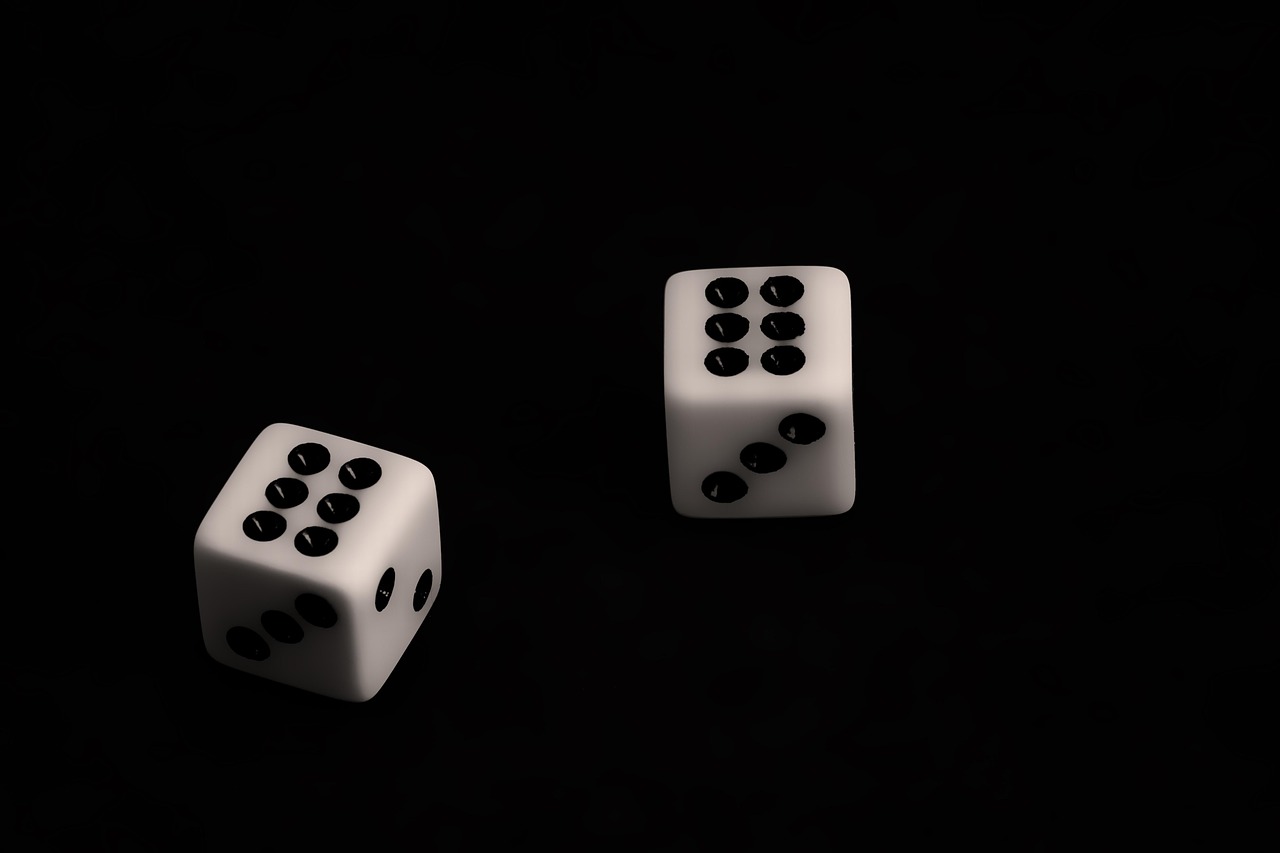
Most casino players never think about the numbers running underneath the felt. They focus on the lights, the drinks, the rush of a near-miss on a slot reel. But if you peel back the glamour, every game in a casino — physical or digital — is a machine of probability, house edge, and variance. Understanding those three concepts won't make you rich overnight, but it will change how you bet, how long your bankroll lasts, and how you judge whether a game is actually worth your time.
This isn't a lecture on avoiding gambling. It's a practical look at the mechanics that separate a frustrated player from an informed one. Whether you're spinning slots at 2 a.m. or grinding a poker table on a weekend, the math is always working. Your job is to learn how to work with it.
House Edge Is Not the Same as Your Chance of Winning
New players often confuse house edge with win probability. They're related, but they aren't the same thing. The house edge is the mathematical advantage the casino holds over the player over the long run, expressed as a percentage of each bet. Win probability, on the other hand, is how often you'll actually win a given round.
Take European roulette. A single-number bet pays 35 to 1, but the true odds are 36 to 1 because of the single zero. That difference creates a house edge of 2.7%. On American roulette, with its double zero, the edge jumps to 5.26%. Same game, same payout structure, dramatically different long-term cost. If you play 500 spins at $10 per spin, that 2.56% difference adds up to roughly $128 more in expected losses on the American wheel.
Slots work differently. The house edge is baked into the RNG and the paytable, and it's rarely advertised. A typical video slot might have an RTP (return to player) of 96%, meaning the house edge is 4%. But high-volatility slots can have RTPs as low as 92% or as high as 97.5%, depending on the provider. That 5.5% swing is enormous over thousands of spins.
Variance: Why You Can Win for Hours and Still Lose
Variance is the chaos factor. It's the reason a player can sit at a blackjack table for three hours, hit a hot streak, and walk away up $400 — even though the house edge says they should be down. It's also the reason a slot player can feed a machine for 200 spins without a single bonus round.
Low-variance games, like most blackjack tables or simple video poker variants, produce frequent but small wins. High-variance games, like progressive jackpot slots or certain poker tournaments, produce rare but massive payouts. Neither is inherently better. The question is what you can stomach.
- Low variance: Smaller swings, longer playtime, lower potential payout. Good for budget-conscious players.
- Medium variance: Balanced risk and reward. Common in video slots with moderate bonus frequencies.
- High variance: Wild swings, long dry spells, huge upside. Requires a larger bankroll and strong discipline.
If you're playing a high-variance slot with a $100 bankroll on $1 spins, you're almost certainly going to bust. The math doesn't care about your feelings. Match your bankroll to the variance, not to your hopes. For up-to-date information, visit สล็อตเว็บตรง.
Poker Is the One Game Where Skill Shifts the Edge
In most casino games, the house edge is fixed. You can't outplay a roulette wheel. Poker is different. In poker, you're not playing against the house — you're playing against other players, and the house takes a rake. That means the edge isn't fixed. A skilled player can consistently beat weaker opponents, and the rake becomes a hurdle rather than an insurmountable wall.
But skill in poker isn't just about knowing hand rankings. It's about understanding pot odds, implied odds, position, and opponent tendencies. A player who calls every bet with a gutshot straight draw because 'it might hit' is bleeding money. A player who calculates that they need 4.5 to 1 pot odds to justify a flush draw — and folds when the price isn't right — is playing the long game.
Here's a concrete example. You're on a flush draw with nine outs on the turn in Texas Hold'em. The river will complete your flush roughly 19.6% of the time. If the pot is $100 and your opponent bets $50, you're getting 3 to 1 on a call. You need 4.1 to 1 to break even. You should fold. If the pot is $200 and the bet is $50, you're getting 5 to 1. You call. That's the difference between a profitable player and a donor.
Betting Markets and the Illusion of Certainty
Sports betting has exploded in popularity, but many bettors still treat it like a coin flip with better graphics. It isn't. Bookmakers set lines based on probability, public sentiment, and sharp money. The odds you see are not predictions — they're prices. And like any price, they include a margin for the seller.
A standard point spread might have both sides priced at -110. That means you risk $110 to win $100. The implied probability of each side is 52.4%, which adds up to 104.8% — the extra 4.8% is the bookmaker's margin, also called the vig or juice. To be profitable long-term, you need to win more than 52.4% of your bets. That's not easy.
Sharp bettors look for line movements, injury news, and weather conditions before the market adjusts. Casual bettors often chase favorites, parlay everything, and wonder why they're down at the end of the season. The difference isn't luck. It's process.
Bankroll Management: The Only Skill That Keeps You Alive
You can know every statistic, every RTP, every pot odds calculation, and still go broke if you don't manage your bankroll. Bankroll management isn't about being conservative. It's about surviving variance long enough for the math to work in your favor — or at least not against you.
Here's a simple framework that works across casino games, slots, and poker:
- Separate your bankroll from your life money. Never play with rent, groceries, or savings.
- Set a session limit. Decide in advance how much you're willing to lose in one sitting. Walk away when you hit it.
- Size your bets relative to your bankroll. A common rule for slots is 1% of your bankroll per spin. For poker cash games, 5% per buy-in. For tournaments, 2% per entry.
- Track your results. Not to pat yourself on the back, but to see if you're actually beating the game or just riding a lucky streak.
- Take breaks. Fatigue leads to bad decisions, especially in poker and live betting.
One more thing: don't chase losses. The math doesn't reset because you're angry. Every bet is independent of the last one. The slot doesn't know you're due. The roulette wheel doesn't care about your history.
The Bottom Line: Play the Game, Don't Let It Play You
Casino games, slots, poker, and betting markets are all designed to separate you from your money in ways that feel fair. Sometimes they are fair. Sometimes they're brutal. The players who last aren't the ones with the best luck — they're the ones who understand what they're up against and adjust accordingly.
Learn the house edge. Respect variance. Treat poker as a skill game and betting as a market. Manage your bankroll like it's a business expense, because it is. And when the math says walk away, walk. The lights will still be on tomorrow. The question is whether your bankroll will be there to meet them.
LEAVE A COMMENT