
Best Short Walking Routes for a Misty Morning
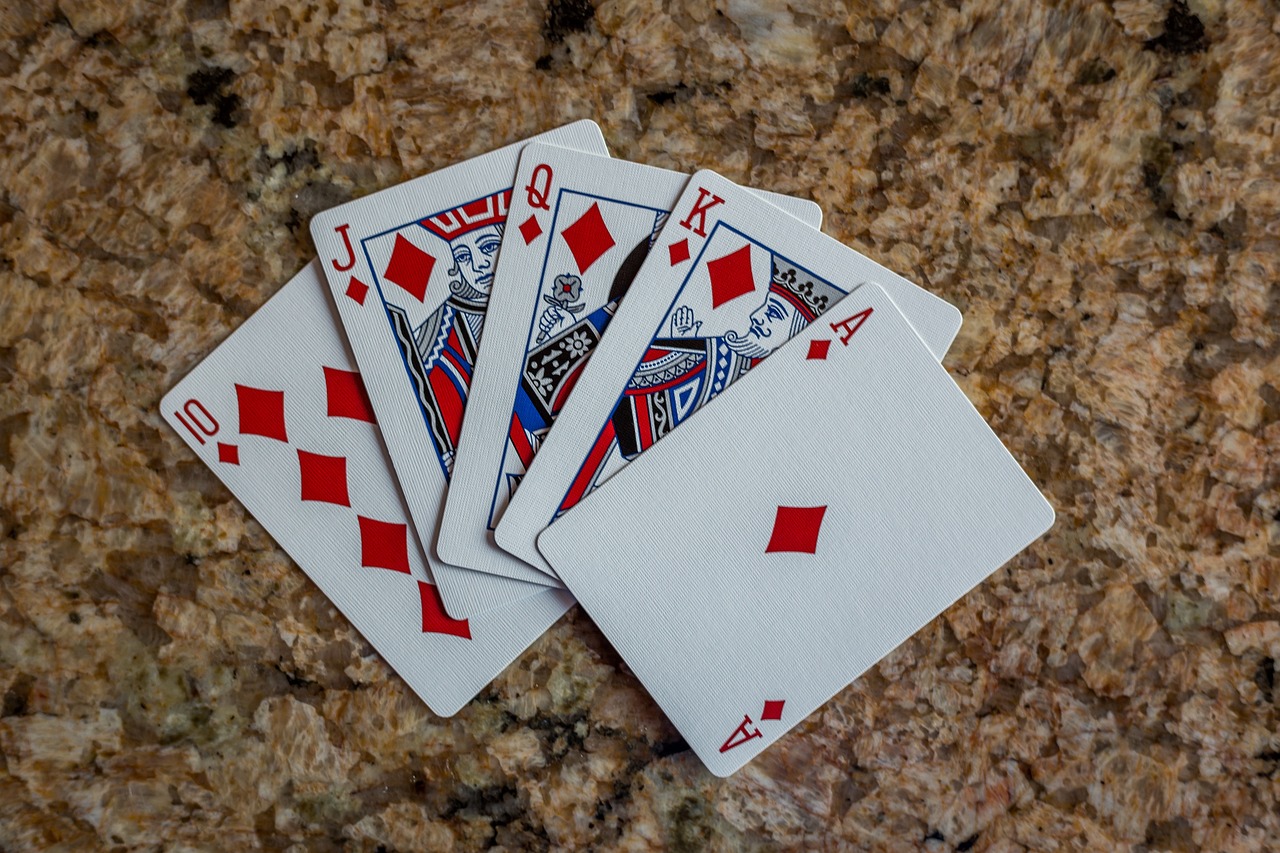
Every seasoned player eventually has that moment—sitting at a virtual blackjack table at 2 a.m., debating whether to hit on 16 against a dealer's 7. That single decision separates the gamblers from the players who actually understand what they're doing. The line between luck and skill in iGaming isn't just philosophical window dressing. It determines which games you should play, how you should bankroll them, and frankly, whether you have any realistic shot at walking away ahead.
The Skill Spectrum: Where Each Game Actually Falls
Let's cut through the marketing nonsense. Every casino game sits somewhere on a spectrum from pure chance to genuinely skill-based. Knowing where your game of choice lands changes everything about how you approach it.
On the pure luck end, you've got slots and roulette. Yes, I know someone who swears their "system" on red/black works. It doesn't. Each spin is independent, and the house edge on American roulette (5.26%) versus European roulette (2.7%) is the only thing you can actually control. That single-zero wheel matters far more than any betting pattern.
Move up the spectrum and you hit blackjack, where basic strategy—memorizing the mathematically optimal play for every hand combination—can reduce the house edge to roughly 0.5%. That's not trivial. A player using perfect basic strategy loses roughly ten times less money per hour than someone playing hunches. Some of the clearest guidance on this comes from สล็อตเว็บตรง.
Then you reach the genuinely skill-heavy end: poker. Texas Hold'em, Omaha, even the niche variants. Here, you're not playing against the house—you're playing against other humans, and the house just takes a rake. A strong poker player can maintain a positive expected value over thousands of hands. A weak one funds everyone else's rent.
Why Slot Players Keep Coming Back (And What They're Missing)
Slots account for somewhere around 70-80% of casino revenue worldwide. That's not an accident. They're hypnotic, require zero learning curve, and the near-miss mechanics—where two of three jackpot symbols land—trigger the same dopamine response as an actual win.
But here's what the flashing lights don't tell you: RTP (Return to Player) percentages vary wildly. A slot with 96% RTP returns $96 for every $100 wagered over millions of spins. One at 92% returns $92. That 4% difference is enormous over a session. High-volatility slots pay rarely but hugely—think Book of Dead or Bonanza. Low-volatility slots like Starburst pay often but small.
- Check the RTP before you play—it's usually buried in the info panel
- High volatility suits bigger bankrolls and longer sessions
- Never chase losses on a slot; the RNG doesn't know you exist
- Free spins and bonus features account for most of the RTP anyway
The uncomfortable truth? No amount of skill changes your expected value on a slot. You can only manage your time and budget.
Blackjack: The Sweet Spot for Thinking Players
If you want a casino game where knowledge actually pays, blackjack is your best bet outside of poker. Basic strategy charts are freely available, and they're not suggestions—they're mathematically derived.
Some concrete examples most casual players get wrong:
- Always split aces and 8s. Never split 10s or 5s.
- Double down on 11 against any dealer card except an ace.
- Stand on 16 against a dealer's 2-6; hit against 7 or higher.
- Never take insurance—it's a sucker bet with a 5.9% house edge.
Card counting takes this further, but let's be honest: modern online casinos use continuous shuffling machines and deck penetration that make counting nearly useless in a digital environment. Live dealer blackjack offers slightly better conditions, but the software still shuffles too frequently for a realistic edge. Basic strategy remains the practical ceiling online.
Poker: The Only Game Where You Can Truly Win Long-Term
Poker is where the skill-versus-luck debate gets interesting. In a single hand, luck dominates completely—you can play perfectly and lose to a two-outer on the river. Over 100,000 hands, skill dominates so thoroughly that the luck factor essentially disappears.
What separates winning poker players from losing ones isn't knowing when to bluff. It's understanding:
- Position: Acting last gives you information and control
- Pot odds: Calling $20 into a $100 pot needs roughly 17% equity to break even
- Bankroll management: Serious players keep 20-50 buy-ins for the stakes they play
- Player reading: Online, this means tracking stats like VPIP and aggression frequency
- Emotional control: Tilt costs more money than bad beats ever will
The rake is the real opponent. At micro-stakes, a 5% rake can make even a skilled player break even. At higher stakes, the rake percentage drops and skill edges become profitable.
Betting: Where Information Is the Edge
Sports betting sits in an interesting middle ground. The bookmaker's margin—typically 4-8% on standard markets—represents the mountain you have to climb. But unlike slots, information can genuinely shift the odds in your favor.
Line shopping alone can save 2-3% per bet. That's the difference between a losing and winning bettor over a season. Sharp bettors track closing lines, exploit soft books, and understand that beating the closing line by 2% consistently is a strong indicator of long-term profitability.
Prop bets, live betting, and niche markets often have softer lines than moneylines and spreads. But they also have higher margins. Finding the overlap between soft lines and reasonable margins is where the real edge lives.
The Honest Takeaway
Here's what most iGaming content won't tell you: the house always has an edge on casino games, and no strategy changes that fundamental math. What strategy changes is how much you lose, how fast you lose it, and occasionally, whether you can flip the script in skill-based formats.
Play slots and roulette for entertainment, with money you're genuinely fine losing. Treat blackjack as a game where your decisions matter enough to learn the basics. Take poker seriously if you're willing to study—it's the one game where a disciplined, educated player can legitimately profit over time. And approach sports betting like an investor, not a fan, because emotion is the most expensive habit in the entire industry.
The players who stick around for decades aren't the ones chasing jackpots. They're the ones who understood early which games reward skill, which reward patience, and which simply reward luck—and budgeted their bankrolls accordingly. That distinction, more than any hot streak, is what separates a hobby from a disaster.
LEAVE A COMMENT